3,000 years from Babylonian clay tablets to your pocket
How it all began
The zodiac was not invented in one place or one night. It grew over millennia as farmers, priests and astronomers watched the same sky and divided the Sun's path into twelve — one slice for every full moon of the year. Here is the journey, era by era.
Zodiac Cornerstones
Pluto's permanent pieces — written to last, always here.
Pluto Sessions
Future × Pluto
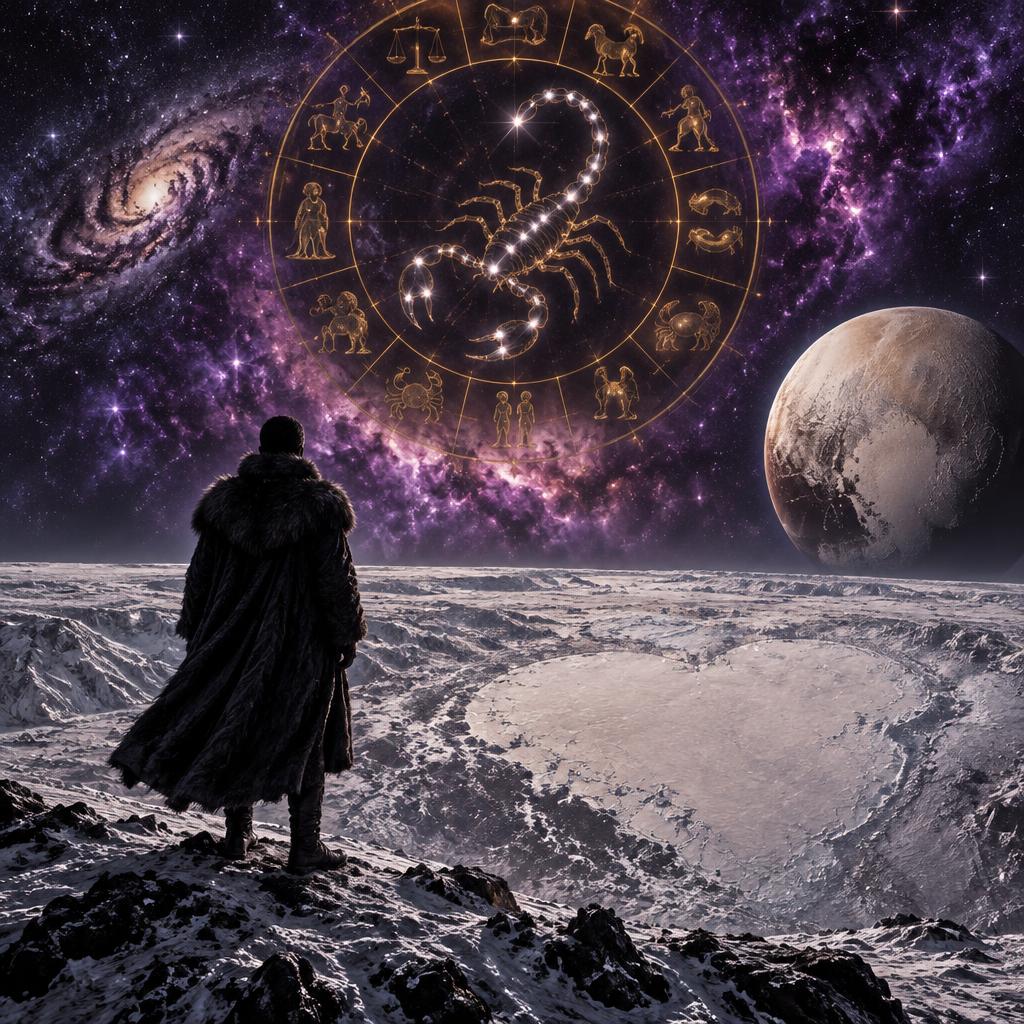
♏ Scorpio · ruled by Pluto · the planet of rebirth
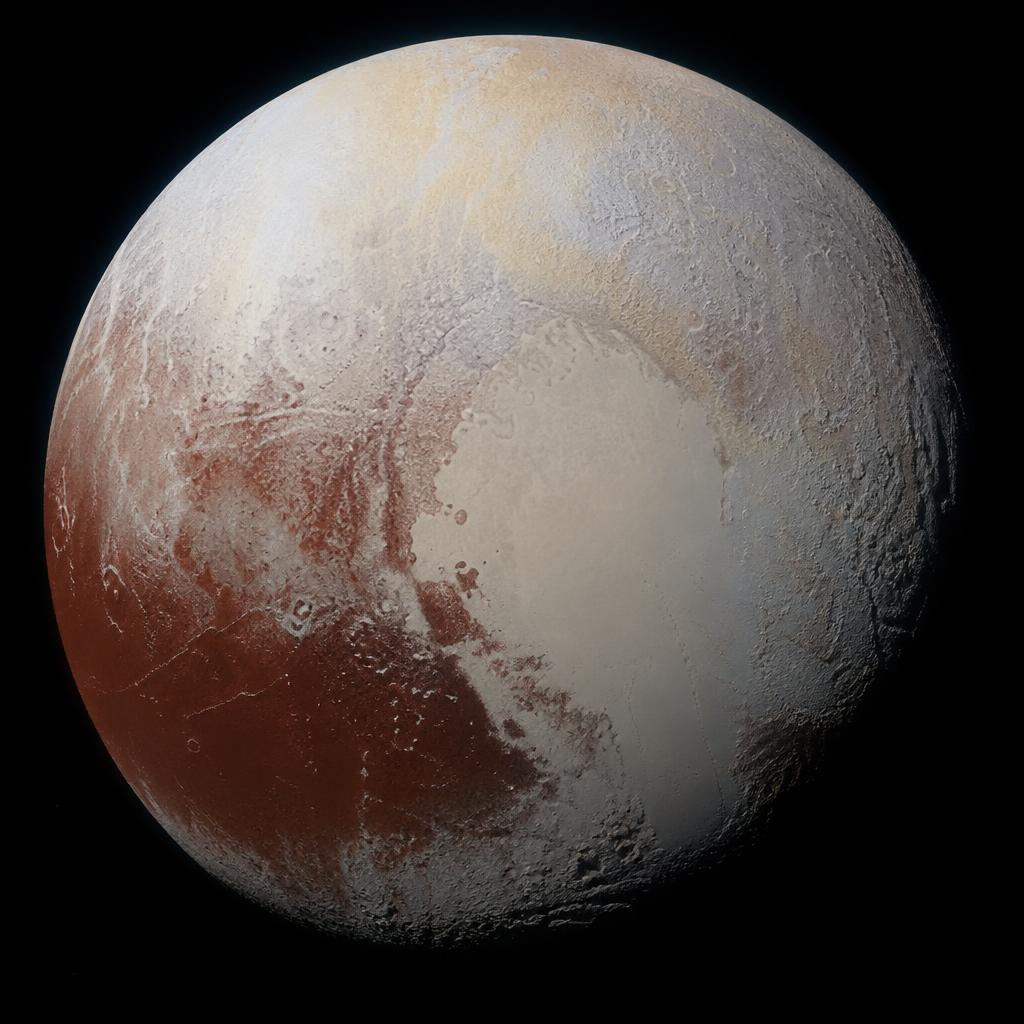
Long before this app existed, Future had already claimed Pluto — the name, the mythology, the cold distant world that everybody wrote off as too small to matter. Pluto is the planet of death and rebirth, the one astronomers demoted and the one astrologers never stopped respecting. An artist who kept reinventing himself out of his own ashes picked exactly the right rock in the sky.
A fan tribute by Pluto. Not affiliated with or endorsed by the artist.
A Message From Your Creator
Your sign, your gift, today's word
Aries · gift of Courage
You were not given fear. Walk into the day like the outcome is already handled, because it is.
"The Lord is my light and my salvation — whom shall I fear?"
Today: Give something away today — time, money, or attention.
Today's Advice
How to take full advantage of your day
Aries: lead with what makes you bold
Start the thing before you feel ready — momentum is your currency today and hesitation costs you more than a mistake would.
Focus · HealthBest hour · the first hour after you wakeDay score · 76%
Leave the old grudge where it is — it's charging you rent you can't afford.
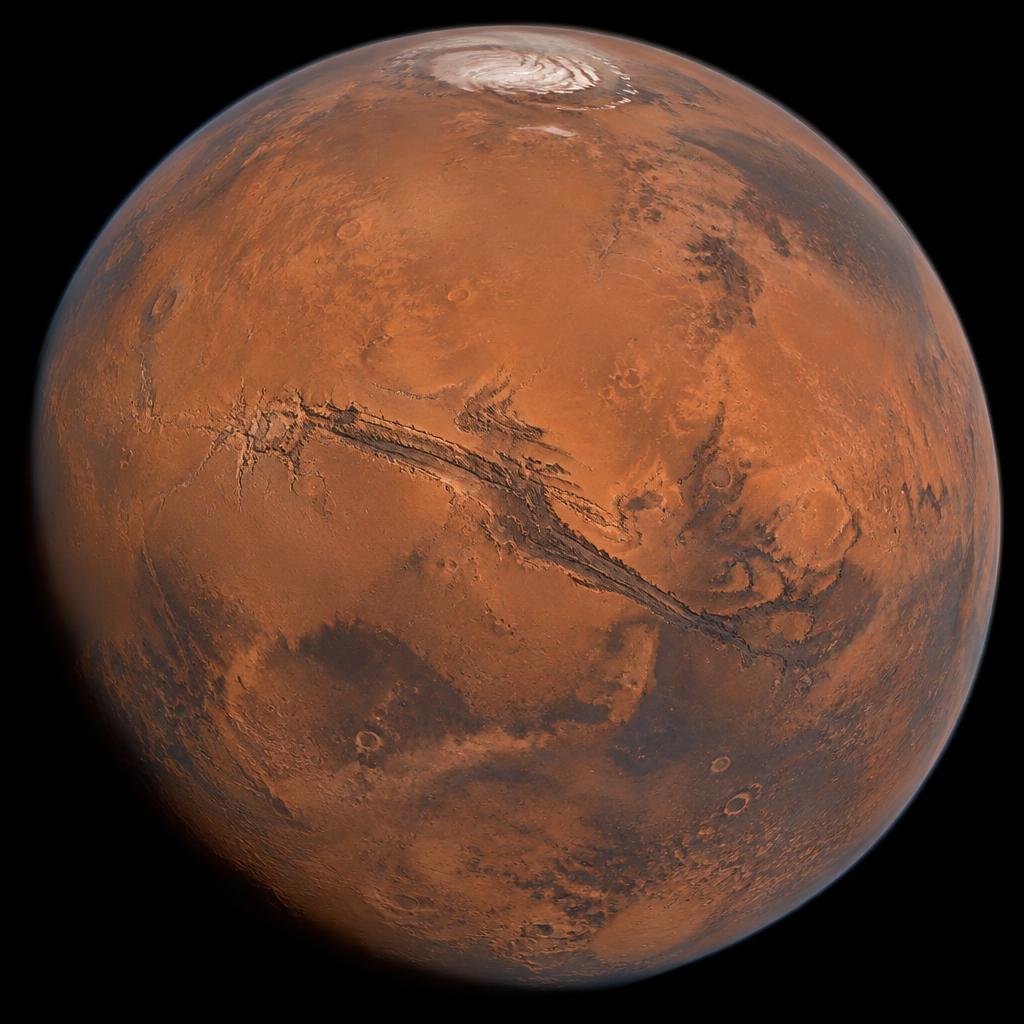
Mars is carrying your day — act first, refine later.
Drawn in the Stars
Why each sign looks the way it does — and what it was for
Aries
In the sky: Three faint stars bent like a small hook — a horn curling back on itself.
Brightest star: Hamal — Arabic for 'the lamb', the head of the ram.
Why it was drawn: It is a dim little figure, but 2,000 years ago the Sun sat in these stars at the spring equinox. The first stars of the new year got the first animal of the new season: the newborn ram.
Its purpose: It marked the start of the year. When Aries rose ahead of the Sun, herders knew lambing season and planting had begun.
What it truly means: Beginnings. The horn is a battering ram — the shape of pushing headfirst into something that has never existed before.
Unexplained
Strange discoveries — and how they point at the stars
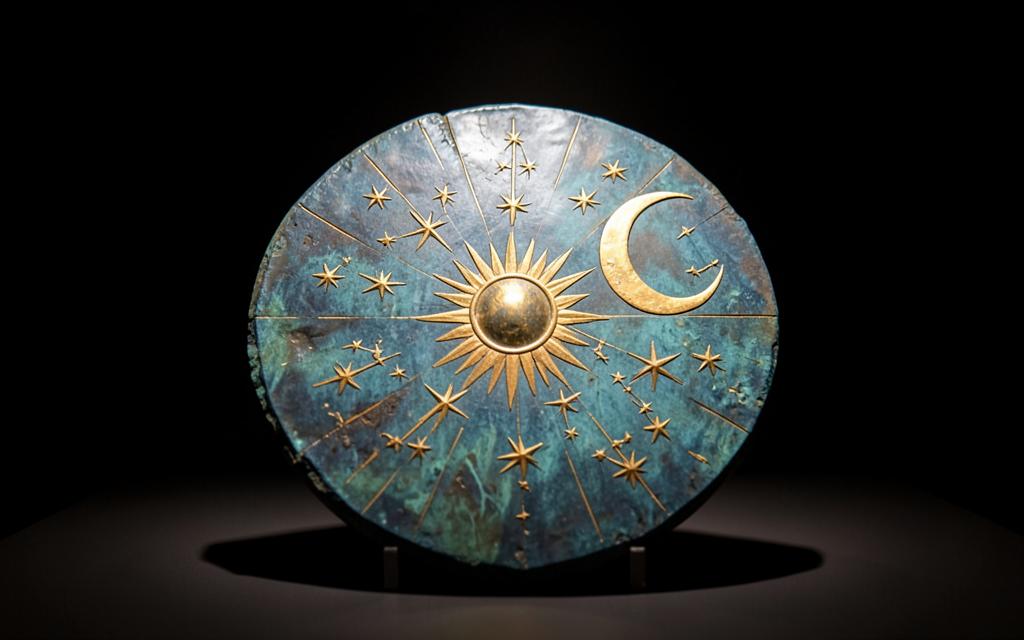
The Nebra Sky Disc
Germany · c. 1600 BCE
A Bronze Age dinner-plate that maps the sky — 1,000 years before anyone in Europe was supposed to be able to.
What was found: A bronze disc the size of a dinner plate, inlaid with gold: a sun, a crescent moon, and a tight cluster of seven stars. Two gold arcs on the rim span exactly the angle between midsummer and midwinter sunset at the spot it was buried.
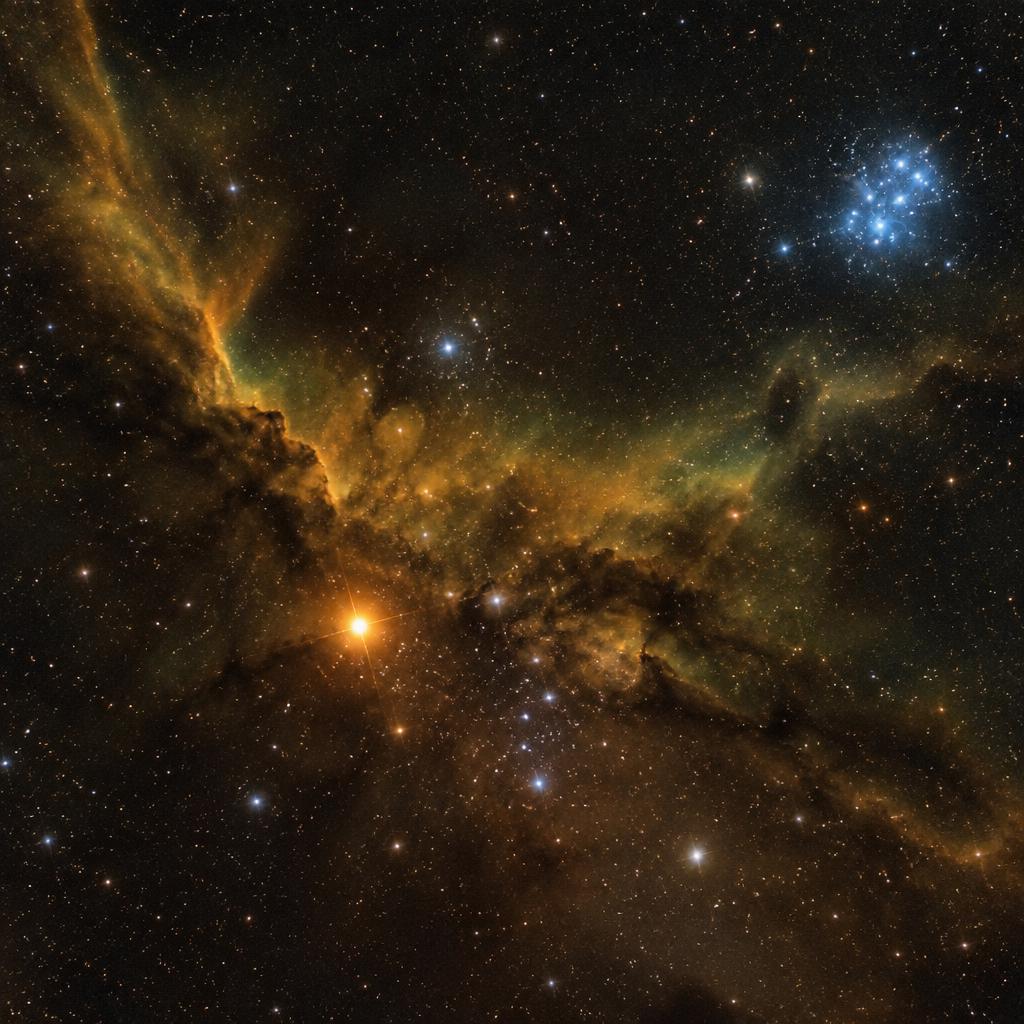
Star connection: Those seven gold dots are the Pleiades — the cluster on Taurus's shoulder. The disc is telling you when the Pleiades and the crescent moon meet, which was the signal to plant. Taurus's job as the plowing sign, written in metal.
The Planet Bonds
Why every sign answers to a planet
Every sign belongs to a planet because the ancients watched the sky and matched each sign's temperament to the planet that behaved the same way. A sign is the personality; its ruling planet is the engine underneath it.
The purpose: the planet feeds its sign a steady stream of energy — Mars feeds courage, Venus feeds love, Mercury feeds words. Without a planet, a sign would be a mood with no motor. The bond exists so the sky above and the life below mirror each other, one powering the other.
Aries ♈Mars ♂
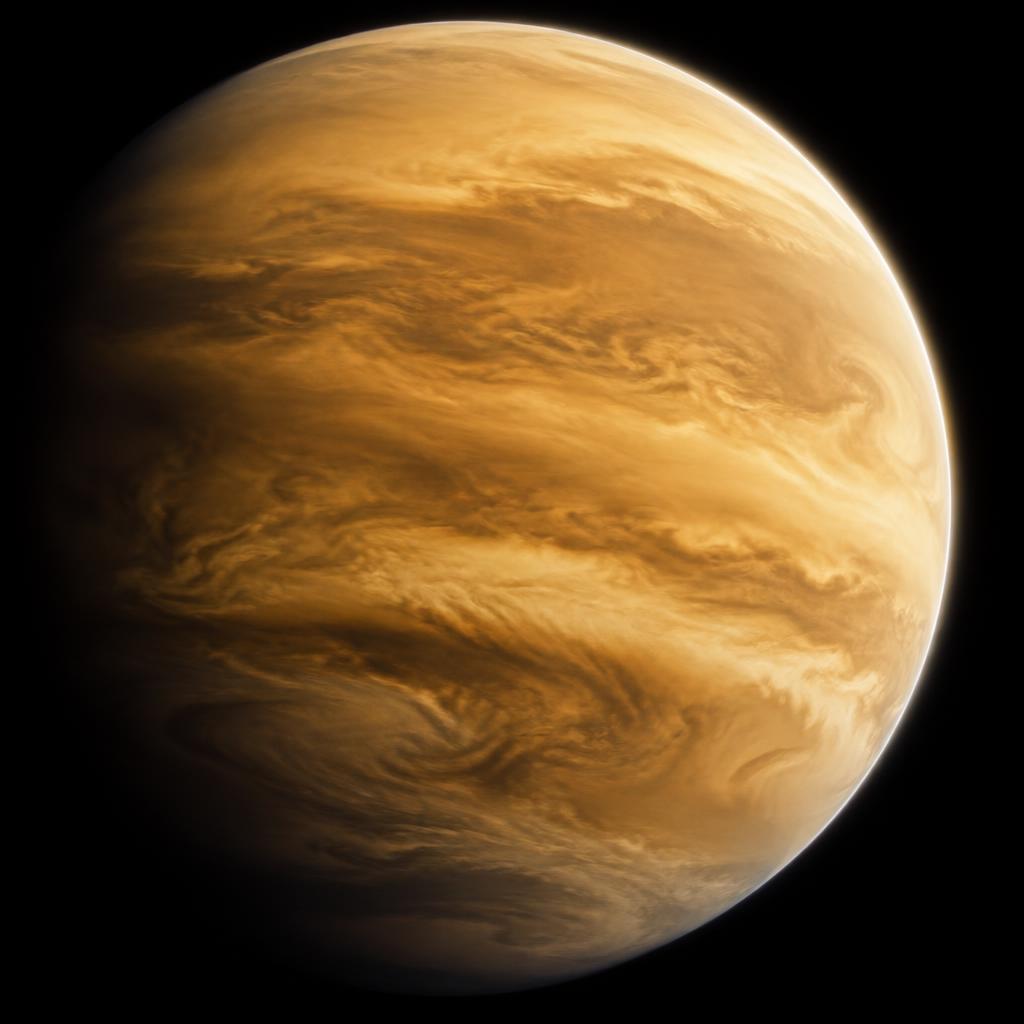
Taurus ♉Venus ♀
Gemini ♊Mercury ☿
Cancer ♋Moon ☽
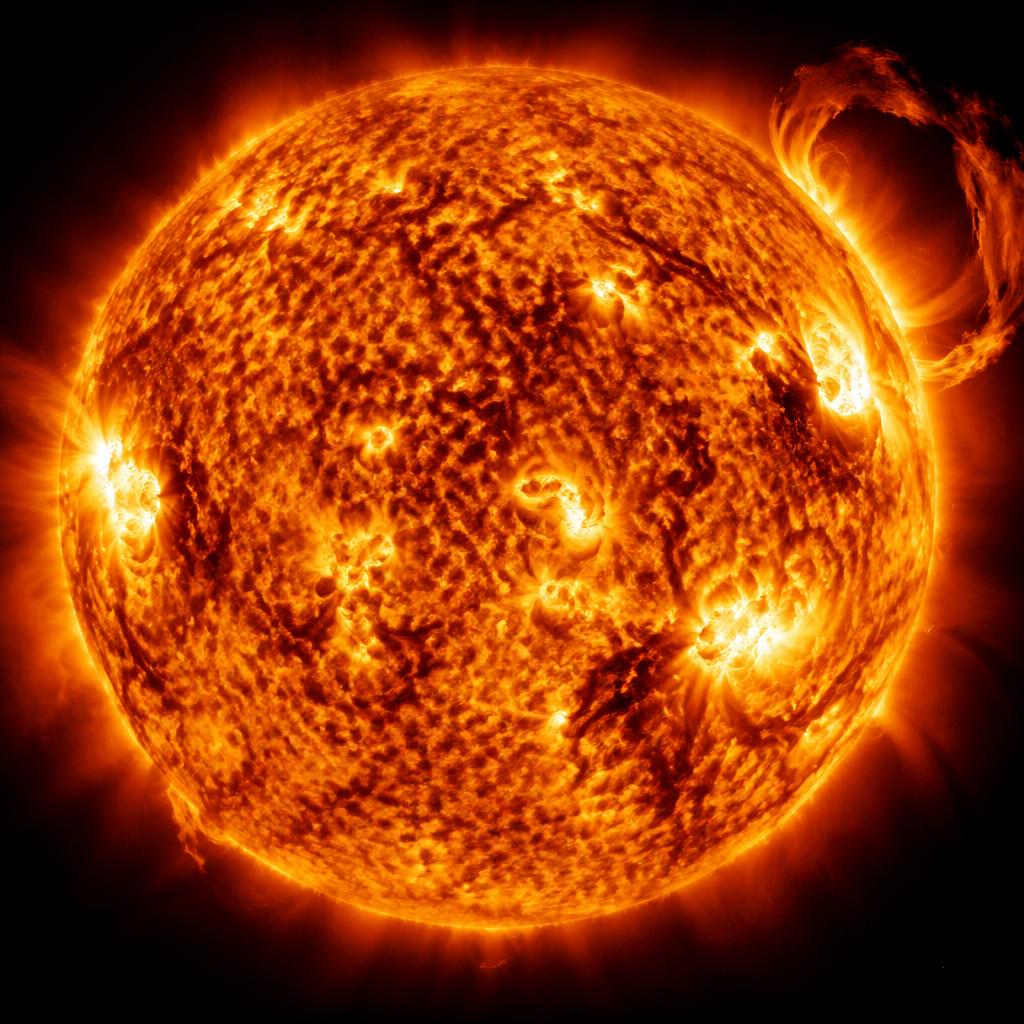
Leo ♌Sun ☉
Virgo ♍Mercury ☿
Libra ♎Venus ♀
Scorpio ♏Pluto ♇
Perfect Harmony
What happens when all 12 signs work as one
When all twelve signs come together in perfect harmony, the zodiac stops being a wheel of rivals and becomes a single living organism — twelve chambers of one heart.
Fire signs ignite the mission. Earth signs give it ground to stand on. Air signs carry the idea to every corner. Water signs make sure no one is left behind or forgotten along the way.
Scripture & Stars
12 Bible figures, read through the zodiac
1
Jesus · Pisces
The Lamb of Compassion — Boundless compassion, self-sacrifice and healing mercy — the purest Piscean soul ever to walk the earth. (The Gospels)
2
King Solomon · Libra
The Wise Judge — Famed for balanced judgment, diplomacy and a love of beauty — Libra's scales in human form. (1 Kings 3)
3
Abraham · Sagittarius
The Father of Faith — Left everything to journey toward a promise he could not see — Sagittarius faith, wanderlust and covenant vision. (Genesis 12)
4
David · Leo
The Lionheart King — A shepherd who faced a giant, a poet-king with a roaring heart — pure Leo courage and charisma. (1 Samuel 17)
A playful pairing of character and sign — for inspiration, not doctrine.
Pluto RankingsJust for fun
🔥 Top 12 Freakiest Signs
Most daring to most reserved — ranked by pure boldness
1♏ ScorpioRuns the whole category. Intensity is the personality.
2♐ SagittariusDown for anything once, twice if it was fun.
3♈ AriesNo hesitation, no warm-up, straight to it.
4♓ PiscesFantasy world with the door left wide open.
Babylonian astronomers kept meticulous star catalogs on clay tablets (the MUL.APIN). They divided the ecliptic — the Sun's yearly path — into 12 equal 30° slices, one for each month of their lunar calendar, and named each slice after a nearby constellation. This is the direct ancestor of the 12 signs we use today.
🏺 Ancient Egypt
c. 1200–300 BCE
Decans and star clocks
Egyptian priests tracked 36 star groups called decans to tell time at night and align temples. When Babylonian and Egyptian astronomy merged under Persian and Greek rule, the decans blended into the 12-sign system — each sign gained three decan subdivisions still used in traditional astrology.
🏛️ Ancient Greece
c. 500 BCE–150 CE
Greek myths give the signs their soul
The Greeks inherited the Babylonian zodiac and layered it with mythology — the Ram of the golden fleece, the Twins Castor and Pollux, the Scorpion that felled Orion. The word 'zodiac' itself comes from the Greek zōidiakos kyklos, 'circle of little animals'. Astrologers like Ptolemy (Tetrabiblos, 2nd century CE) fixed the tropical zodiac anchored to the seasons — the system Western astrology still follows.
🕉️ India
c. 300 BCE–present
The Vedic rāśis
Hellenistic astrology traveled east and merged with India's Vedic tradition (Jyotiṣa). The 12 signs became the rāśis — Meṣa (Aries) through Mīna (Pisces) — woven into the 27 nakṣatra lunar mansions. Vedic astrology uses the sidereal zodiac, aligned to the actual constellations, and remains a living daily practice for millions.
🐉 China
c. 400 BCE–present
A parallel zodiac of animals
China built its own cycle: 12 earthly branches paired with the Rat, Ox, Tiger and friends, tied to Jupiter's ~12-year orbit rather than the Sun's monthly path. Combined with the five elements it creates a 60-year cycle — proof that cultures worldwide independently felt the sky should be read in twelves.
📜 Islamic Golden Age & Renaissance
800–1600 CE
Preserved, translated, refined
Scholars in Baghdad and Córdoba translated and expanded Greek astrology; star names like Aldebaran and Regulus carry Arabic roots. European universities taught astrology alongside medicine — the signs shaped calendars, almanacs and royal courts for a thousand years.
✨ Today
1900s–now
The zodiac goes global
Newspaper horoscopes (1930s) made sun-sign astrology a daily habit for the whole planet. Today the 12 signs are a shared language of personality, art and community — and the reason Pluto exists: a social universe organized by the sky you were born under.
Pluto — the cosmic social network
Pluto is a social network organised by zodiac sign. Share posts and stories, follow the daily star news, read your sign's horoscope, explore the planets and the history of the zodiac, and meet people whose charts match yours.
•A live feed of celebrity stories read through their zodiac sign
•Monthly birthday readings, lucky numbers and rituals for every sign
•Groups, events, pages and messages with your sign community
Zodiac 101 — learn how the system actually works
The four elements
Fire, Earth, Air, Water — the four temperaments
Every sign belongs to one of four elements. Fire (Aries, Leo, Sagittarius) acts first and thinks later. Earth (Taurus, Virgo, Capricorn) builds things that last. Air (Gemini, Libra, Aquarius) lives in ideas and conversation. Water (Cancer, Scorpio, Pisces) reads the room before anyone speaks.
Remember: Same element = instant understanding. Fire and Air feed each other; Earth and Water steady each other.
The three modalities
Cardinal starts, Fixed holds, Mutable adapts
Each season has a beginning, a middle and an end, and the signs follow. Cardinal signs (Aries, Cancer, Libra, Capricorn) open a season and start things. Fixed signs (Taurus, Leo, Scorpio, Aquarius) sit in the middle and refuse to budge. Mutable signs (Gemini, Virgo, Sagittarius, Pisces) close a season and bend with change.
Remember: Arguments between two Fixed signs last the longest. Someone has to be Mutable.
Sun, Moon, Rising
Your big three do different jobs
Your Sun sign is your core drive — the thing you're here to become. Your Moon sign is your private emotional weather, the part only close people meet. Your Rising sign is the doorway: how strangers experience you in the first five minutes. Rising needs your birth time, which is why the exact hour matters.
Remember: If a horoscope never fits, read your Rising sign instead of your Sun.
Ruling planets
Every sign answers to a planet
Mars rules Aries, Venus rules Taurus and Libra, Mercury rules Gemini and Virgo, the Moon rules Cancer, the Sun rules Leo, Jupiter rules Sagittarius, Saturn rules Capricorn, Uranus rules Aquarius, Neptune rules Pisces and Pluto rules Scorpio. The planet sets the sign's speed, appetite and blind spot.
Remember: When your ruling planet is active in the sky, your year gets loud.
The 12 houses
Signs are the 'how', houses are the 'where'
A birth chart is a wheel of twelve houses — life departments. The 1st is self and appearance, the 4th home and family, the 7th partnership, the 10th career and reputation. A planet's sign says how it behaves; the house says which part of your life it happens in.
Remember: Two people can share a Sun sign and live completely different lives — the houses explain why.
Retrogrades
Nothing actually moves backwards
Retrograde is an optical effect: as Earth overtakes another planet, that planet appears to drift backwards against the stars. Astrologers read it as a review period — Mercury retrograde for messages and contracts, Venus for old lovers, Mars for stalled ambition.
Remember: Retrograde seasons are for re-doing, not launching.
Aspects
The angles between planets
Planets talk to each other by angle. A conjunction (0°) merges two energies. A trine (120°) is easy flow. A square (90°) is friction that forces growth. An opposition (180°) is a tug-of-war you have to balance. Charts are read through these conversations, not single placements.
Remember: Squares aren't bad luck — they're where the character gets built.
Tropical vs sidereal
Why your sign changes between systems
Western astrology uses the tropical zodiac, anchored to the seasons and the spring equinox. Vedic astrology uses the sidereal zodiac, anchored to the actual constellations. Earth's slow wobble has pulled the two about 24° apart, so a tropical Leo is often a sidereal Cancer.
Remember: Neither is 'wrong' — they answer different questions about the same sky.
Polarity
Signs alternate between output and intake
Going around the wheel, signs alternate: Aries outward, Taurus inward, Gemini outward, Cancer inward. Fire and Air signs project energy; Earth and Water signs absorb it. This rhythm is why opposite signs — Aries/Libra, Taurus/Scorpio — feel like magnets.
Remember: Your opposite sign carries the skill you're missing.
Decans
Every sign has three faces
Each 30° sign splits into three 10° decans, each with its own sub-ruler. An early Leo (Sun decan) is pure spotlight; a mid Leo (Jupiter decan) is generous and grand; a late Leo (Mars decan) is competitive and sharp. It's the oldest fix for 'not all Leos are the same'.
Remember: Your birth date within the sign changes the flavour more than people expect.
Moon phases
The Moon sets the app's tempo
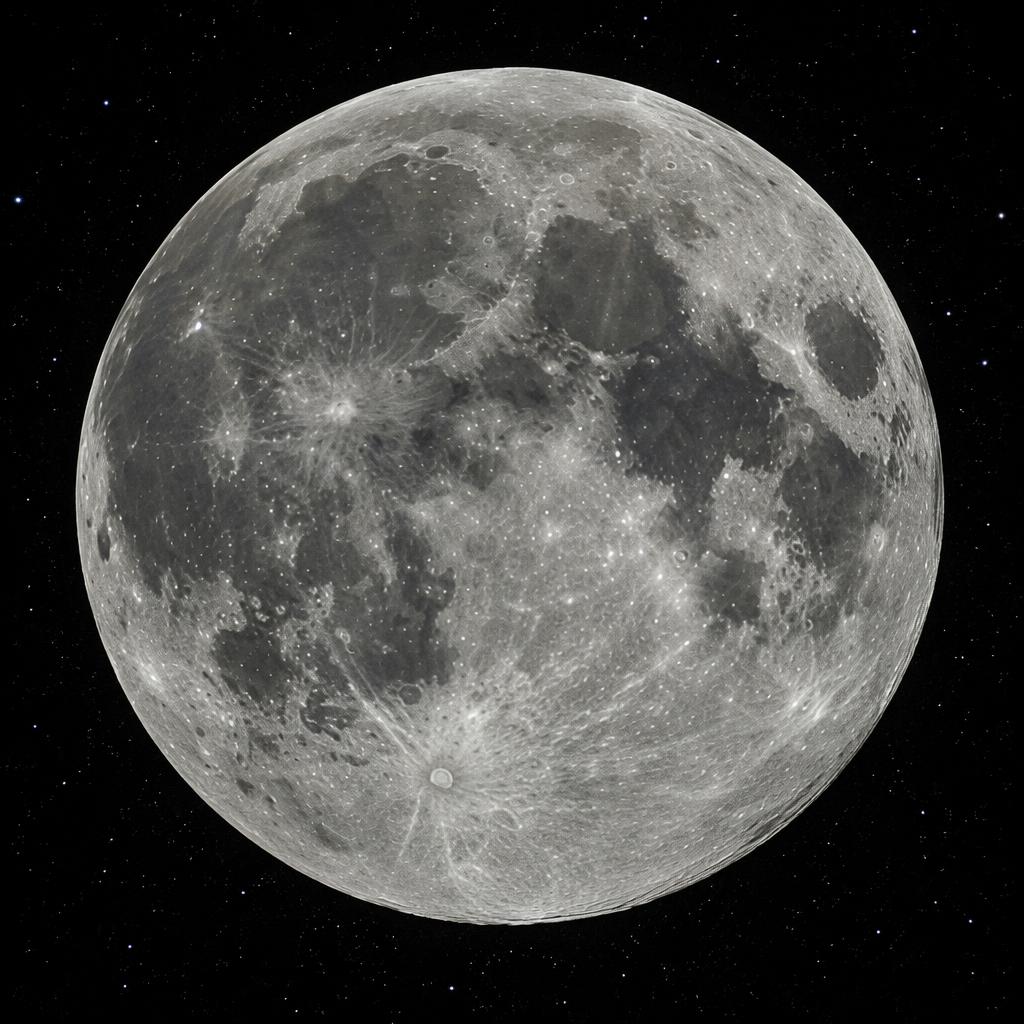
New Moon is for planting an intention, the waxing phase for building it, Full Moon for harvest and honest revelations, and the waning phase for cutting what isn't working. The Moon changes sign roughly every 2.5 days, which is why the collective mood shifts so fast.
Remember: Start things on a New Moon; finish and release them on a Full Moon.
Reading the news by sign
Why Pluto reads world events through the stars
Astrology has always been a public language — Babylonian omens were written about kings and harvests, not individuals. Reading a real headline through the chart of the person in it is the oldest use of the zodiac there is: a shared story frame for what's happening right now.
Remember: The story stays real; the sign is the lens you read it through.